Best time to visit Japan – By season
Spring: If the sight of pink cherry blossoms framing lakes, streets, and temples excites you, travel to Japan to coincide with cherry blossom season, between March and May. However, the cherry blossoms only last for one week, and the timing for each area is different every year, so you have to plan accordingly. Temperatures are pleasant, ranging from 17°C to 25°C during this season.
Summer: Temperatures start rising in June and enter the 30s by July. In early June, gardens are lush and blooming, temples are quiet, and tourist traffic is low. As the summer progresses, temperatures, humidity and rainfall increase, but it’s not a full-blown monsoon, and it’s perfectly possible to have a fabulous holiday. By August, the likelihood of typhoons increases.
Autumn: The leaves start changing colour by the end of September. While fall is a popular season to travel to Japan, it is not as crowded as spring. October and early November are also some of the best times to go to Japan as temperatures drop into the 20s again, making for enjoyable weather.
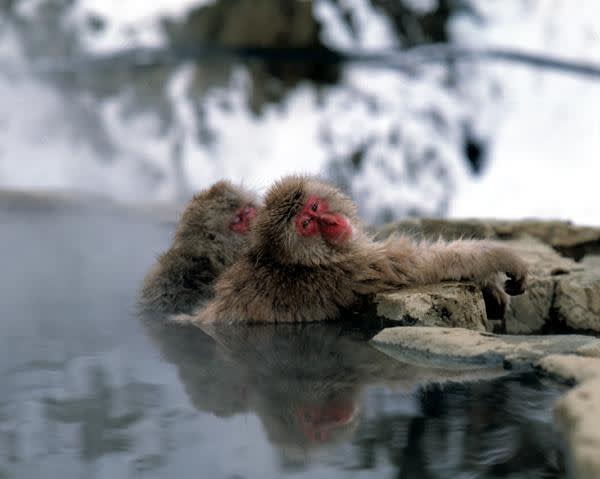
Winter: Northern Japan receives significant snow from December to February. At the same time, Okinawa sees temperatures in the 20s and provides a warm escape from the frigid temperatures in other parts. It’s an excellent time for pretty landscapes and participating in winter activities.

Best time to visit Japan – By activity
Cherry blossoms: Cherry blossom season starts in Tokyo and Kyoto towards the end of March and slowly makes its way up north. Spring is considered one of the best times to visit Japan despite the crowds. Expect to see cherry blossoms appearing in Sapporo only in May.
Fall colours: Deep reds and yellows start appearing in the northern part of the country in mid-September and occur in the south through October and November. Kyoto is one of the best places to view fall foliage in mid-November.
Mt. Fuji: The iconic Mt. Fuji often hides behind billowing clouds. The hot summer months from end-July to mid-September are the most popular times to hike up Mt. Fuji. For clear views, the best months are from October to January, though there are some clear visibility days in the springtime as well.
Tokyo: March-April and September to November provide the best weather conditions for sightseeing in Tokyo. Temperatures range from 15-20°C, and humidity levels are low, which makes visiting Tokyo’s many outdoor attractions a pleasant affair.
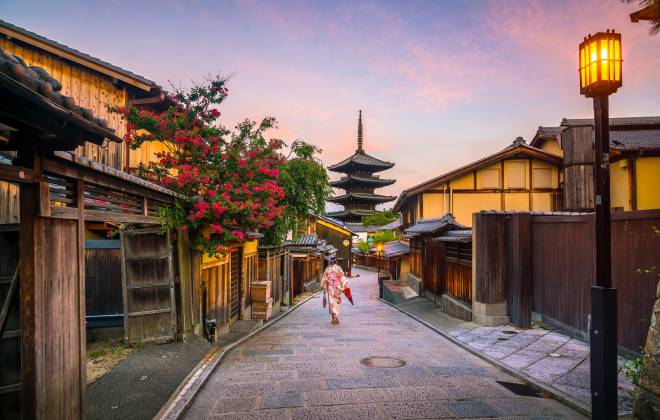
Kyoto: If visiting the country’s cultural capital is high on your list, the best time to visit Japan is during spring and autumn. In these months, Kyoto provides visitors with gorgeous landscapes and exciting opportunities for photos.
Snow action: Ski resorts kick into high gear in January, continuing into the first half of March. Hakuba and Shiga Kogen are some of the country’s best-known ski resorts offering world-class slopes. At ski resorts like Niseko, you can ski down powdery, snow-filled slopes with spectacular views during the day and soak in a warm onsen in the evening.

What to pack for Japan?
Spring and autumn are the best time to visit Japan and provide perfect weather conditions for outdoor events and sightseeing. However, there can be a nip in the air, and evenings can get chilly. The key to packing for these seasons is layers.
Clothes: Summers can be sweltering hot in Japan. Women can pack light tops, T-shirts, skirts, light pants, and dresses made from breathable, lightweight fabrics such as cotton, linen and bamboo. Men can wear polo shirts, T-shirts, shorts and light trousers. Bring along at least one long-sleeve T-shirt and full pants.
Outerwear: Carry a lightweight jacket and fleece layers if travelling outside the summer months. Winters call for heavy-duty winter gear, especially if you visit the northern region or ski resorts. A warm jacket, sweaters, thermals, gloves, scarves and woollen caps are a must if travelling during this season.
Rain gear: Carry a rain jacket or poncho and an umbrella in the spring and summer.
Footwear: There’s plenty of walking to do, so pack comfortable walking shoes or sandals. Japanese temples require you to remove your shoes, so bring easy- to-slip-on shoes and a few pairs of socks.
Sun protection: Sun hat, sunglasses, and sunscreen are required.
Cherry blossom and fall colours peak differently every year across Japan. Find out the best time to visit Japan for 2025/2026 from our destination specialists, who have real-time information on all the major attractions and events in the country.
Hear from our Experts

“Don’t be afraid to hop on public transport. Japan has one of the best public transport systems in the world. If you are visiting a few cities a JR Pass is ideal as it allows you to travel on all Japan Rail lines for 7, 14 or 21 days but it must be booked before you arrive in Japan.”

“Make sure to include a visit to Sagano Bamboo Forest in Kyoto and take the short walk to the Tenryuji Temple. To get the best pictures plan your visit in the morning before the large crowds arrive.”

“There’s nothing better than sitting in your own private onsen while soaking up the amazing views that Japan has to offer. So why not choose to live like a local and stay in one of Japan’s many ryokans and enjoy the local hot springs.”
Overview of Japan
Japan will draw you in with its culture of Buddhist temples and matcha tea ceremonies, communal hot spring baths and sublime culinary traditions.
Japan Multi-centre
As you traverse the length and breadth of this nation on a multi-centre holiday, you will find yourself tantalised and transformed
Things to Do in Japan
Our list of things to do in Japan is just an introduction to the uncommon experiences you can have in this fascinating country.
Popular Tours




Related Blogs
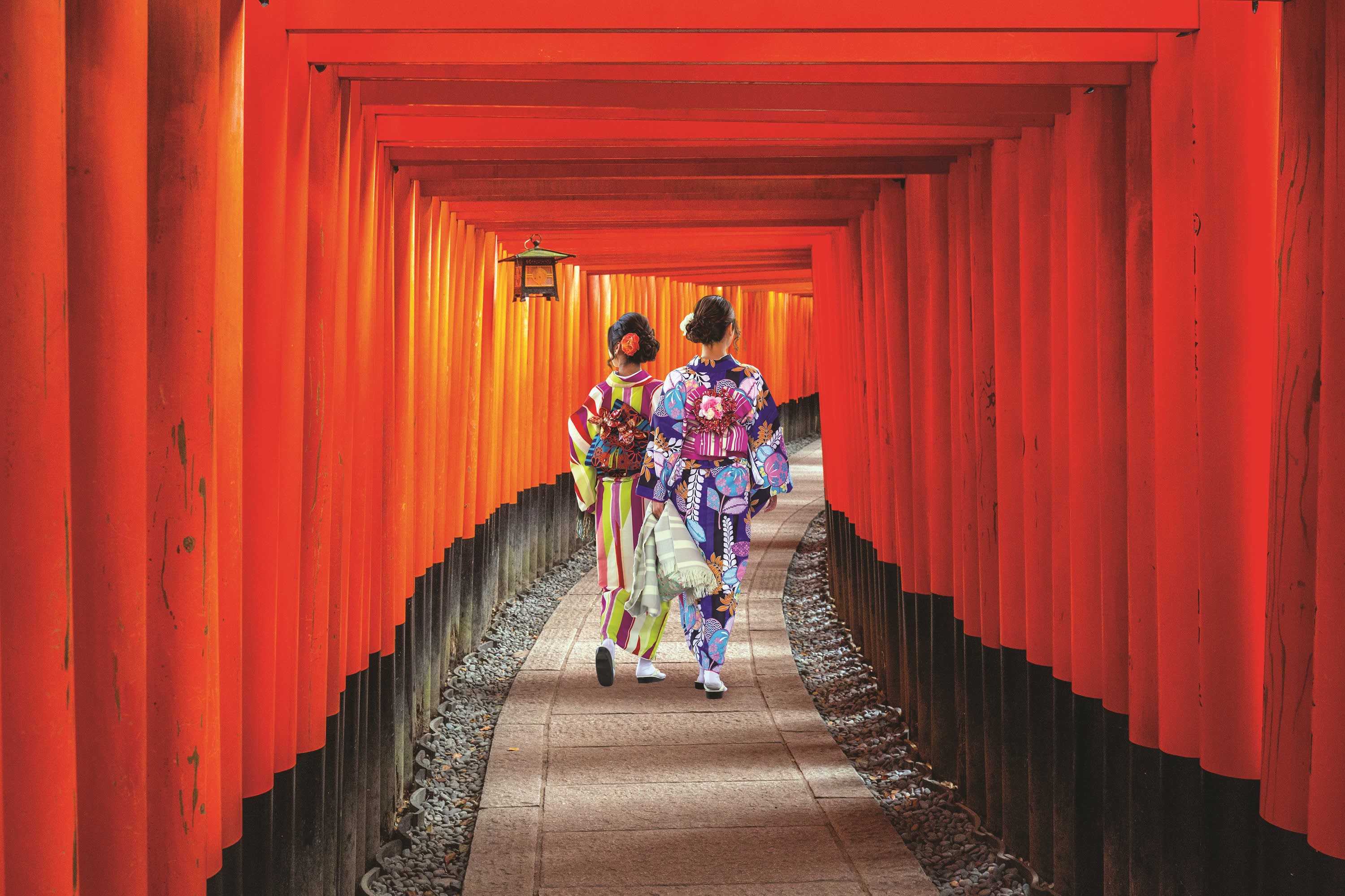
Expert Pick: Our 6 Favourite Cultural Experiences in Japan
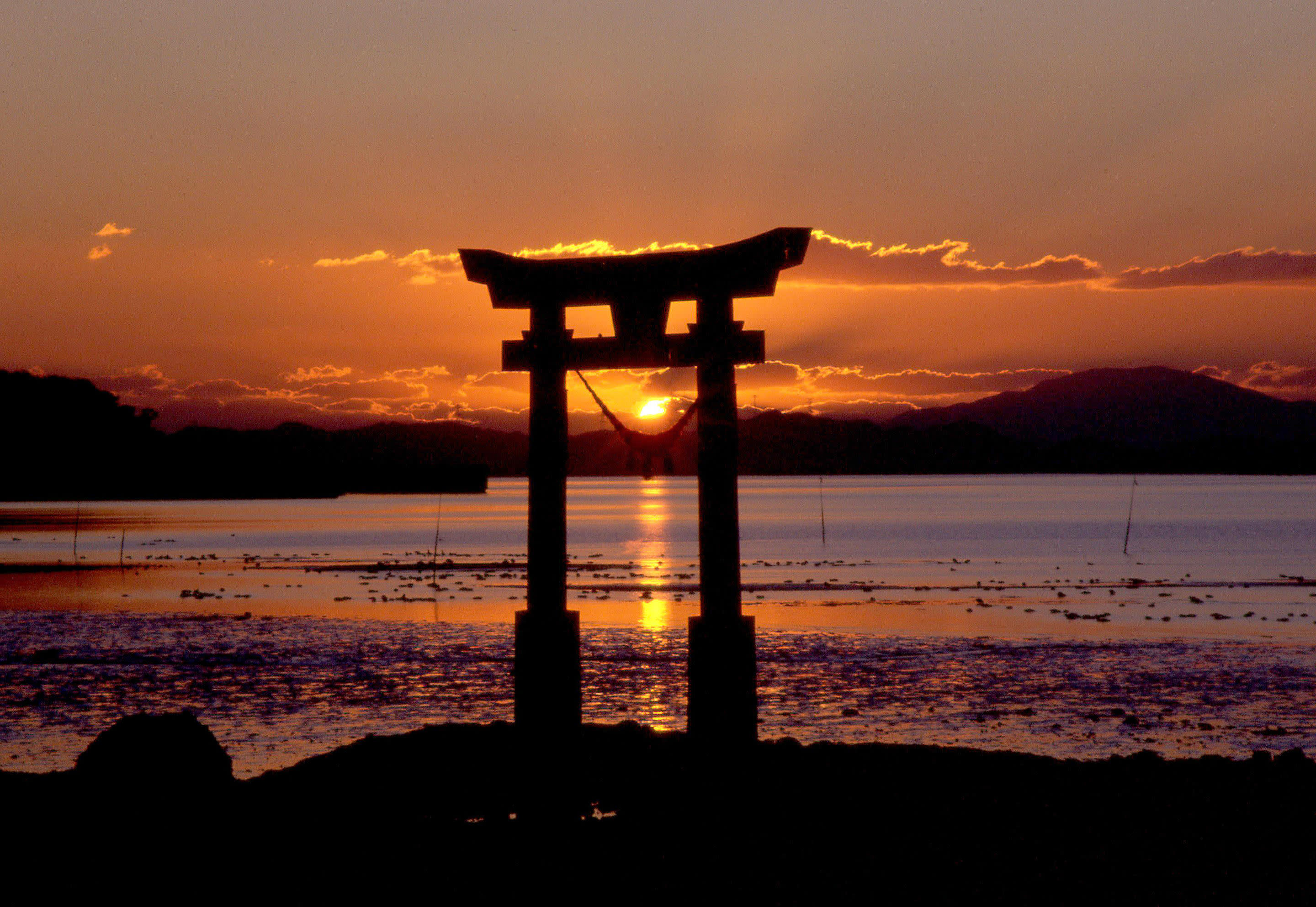
Exploring Japan – Land of the Rising Sun