Best time to visit India – By season
Winter/Dry period – While temperatures differ quite significantly from region to region, winter, which runs from November to February, is the best time of year to visit India. In the North, in places such as New Delhi and Jaipur, daytime temperatures are in the low to mid-20s, while night-time readings can drop into the single digits. In the south, temperatures are slightly warmer, but conditions are great for sightseeing. In places such as Gulmarg in Kashmir and Auli in Uttarakhand, snow blankets the mountains, presenting perfect conditions for skiing and a magical winter holiday. In some parts of the Himalayas, the weather is bitterly cold, and snowfall can affect travel plans.
Summer – The great Indian summer begins in April when temperatures across many parts of India break into the 30s and goes until June or July, depending on the region. By May, southern cities such as Chennai and northern states such as Rajasthan are recording temperatures around 40°C. If travelling during this season, limit sightseeing to the morning and evening hours. However, dry and hot weather conditions make it the best time to visit India for wildlife viewing. Those looking to escape the scorching heat can head to India’s charming hill stations, such as Shimla and Manali or experience the beauty of Kashmir.
Monsoon – Monsoons start by late May or June, and extend till September, and affect popular tourist destinations such as Goa, Kerala, Mumbai and some of the Northeastern states. Expect high humidity and heavy downpours that can disturb travel plans. While it is low season, it is a great time to see destinations such as Kerala and Goa at their greenest. The good news is that not all of the country experiences monsoons during these months. It is the best time to visit India if travelling to or trekking in the Himalayas is on your bucket list. June to September is the most popular time to head to Ladakh.
Best time to visit India – By region and attraction
Golden Triangle – The best time to travel along the Golden Triangle, i.e. New Delhi, Agra and Jaipur, and experience some of the top things to do in India is from October to March. This is when the temperature is pleasant, and weather conditions are cool and dry.
Goa – The winter months from November to March is the best time to visit Goa. Goa’s Carnival and New Year festivities attract visitors worldwide during December and January, the most popular months to visit this state on India’s southwestern coast. During this period, days are dry, the sun shines bright, and temperatures are in the low 30s.
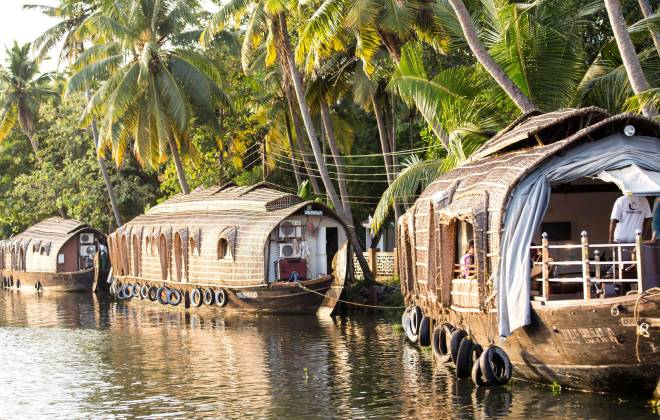
Kerala – The most popular months to visit Kerala, which has some of the best luxury hotels in India, are December and January. However, the months of September, October and November are also good times to explore the state, as long as you do not mind a few rain showers. The state experiences the most amount of rainfall from June to August.
Rajasthan – Rajasthan’s forts and palaces are best visited during the winter months from December to February. A mostly arid state, Rajasthan does not experience a very harsh monsoon but sees temperatures touching 40°C and more during the peak summer months. October, November and March also present pleasant conditions for sightseeing.
Ladakh – While the rest of the country is under a rain spell from June to September, Ladakh sees clear blue skies and temperatures around 20°C during this period, making it the perfect time to visit the region’s Buddhist monasteries and breathtaking mountain ranges.
Hill stations of India – India is home to incredibly quaint and charming hill stations that provide respite and refuge for those seeking a break from the country’s harsh summers. Shima, Manali, Dharamshala in Himachal Pradesh, Mussoorie and Nainital in Uttarakhand, Darjeeling in West Bengal and Gangtok in Sikkim welcome visitors with mild temperatures and lush greenery during the summer months from April to June.
What to pack for India?
What you pack for your trip to India depends largely on when and where you travel. India’s heat and humidity call for breathable, loose-fitting clothes such as cotton and linen tops and T-shirts, knee or ankle-length dresses, skirts and trousers. The dress code in the country is modest, so it is best to cover up your shoulders and knees. This is applicable particularly while visiting temples and other attractions of religious significance.
Comfortable sandals or walking shoes are a must while sightseeing in India. Carry a scarf, hat and sunglasses to protect yourself from the sun’s harsh rays. If you are travelling to the northern part of India during the winter, carry a sweater or warm jacket for chilly nights. Night-time temperatures in the Himalayas can drop to freezing or sub zero, so pack sufficient warm layers. If a beach destination is on the itinerary, pack swimsuits, coverups, and sunscreen.
Discover the many facets of India on a tailor made holiday through this incredible country. Call or write to us and get started on an adventure of a lifetime.
Hear from our Experts

“The Golden Triangle tour, where you visit Delhi, Agra and Jaipur, is the perfect way to introduce yourself to India if it’s your first time visiting. If you’re feeling like it might not be enough, I would recommend extending it. There are countless options you can add, from the Toy Train in Shimla to a visit to India’s spiritual capital, Varanasi.”
Overview of India
It’s the romance of the Taj Mahal, the valour of Rajasthan’s forts, the exuberance of Gujarat’s festivals, the peace of Kerala’s backwaters and the spirituality of the Holy Ganges.
India Multi-centre
Pairing a multi centre holiday in India with Sri Lanka is a fantastic way to immerse yourself in the culture and history of this area of the world.
Things to Do in India
Our list of things to do in India engages all the senses. They showcase India’s incredible diversity in all its glory.
Related Blogs
Pav Bhaji recipe – a taste of India
Stories from India