Luxury Travel in India: 9 Unforgettable Experiences
Whilst icons such as the Taj Mahal are celebrated worldwide, for today’s luxury traveller there are countless opportunities for deeper immersion.
India’s diversity is extraordinary, shaped by centuries of history, and landscapes that stretch from the Himalayas to the Arabian Sea. Beyond its most celebrated sites lies an invitation to explore more deeply.
Through nine of the questions we’re most often asked, discover India at its most rewarding. It’s a travel shift echoed by Conde Nast Traveller, which reports a 25 per cent rise in bookings for slower-paced journeys centred on wellness and heritage.
1. What are the best beaches in India for luxury travellers?
Along India’s western coast, Goa delivers a varied and stylish beach escape on the shores of the Arabian Sea. North Goa is known for its lively atmosphere, beach clubs and cafés, while South Goa offers a more tranquil alternative.
North Goa: Ideal for vibrant social scenes, boutique dining and high-end beach clubs. South Goa: Best for secluded stretches of white sand and five-star wellness resorts. Fact: Goa’s coastline spans more than 60 miles, making it one of Asia’s most accessible luxury beach destinations.
2. Which destinations are best for experiencing India’s tea culture?
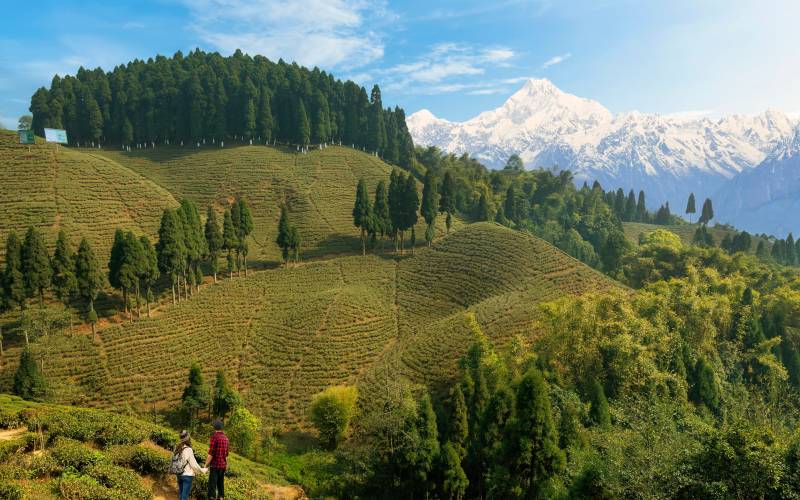
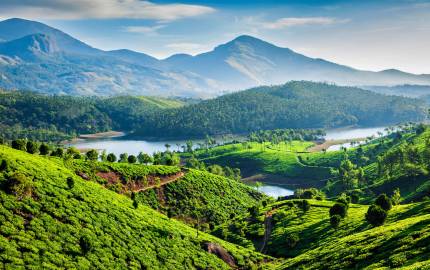
In the Himalayan foothills, Darjeeling is synonymous with fine tea, producing what is often called the ‘Champagne of Teas’. Rolling estates and quiet hill villages offer a peaceful contrast to India’s major cities.
Activities: Guided tastings, hands-on tea plucking and stays in colonial-era planter bungalows. Scenic highlight: Tiger Hill, with panoramic views of Mount Kanchenjunga, the world’s third-highest peak. Fact: Darjeeling Tea was the first Indian product to receive a Geographical Indication (GI) tag.
3. What is the Shimla Toy Train?
The Kalka–Shimla Railway is a UNESCO World Heritage site and a nostalgic way to travel through the Himalayan foothills. Its ‘toy train’ name comes from the narrow-gauge track, an impressive feat of 19th-century engineering.
The route: Crosses 864 bridges and passes through 102 tunnels. The feel: Unhurried, scenic travel through pine forests and verdant valleys. Duration: Around five to six hours of gradual ascent into the mountains.
4. Where is the best place for a tiger safari in India?
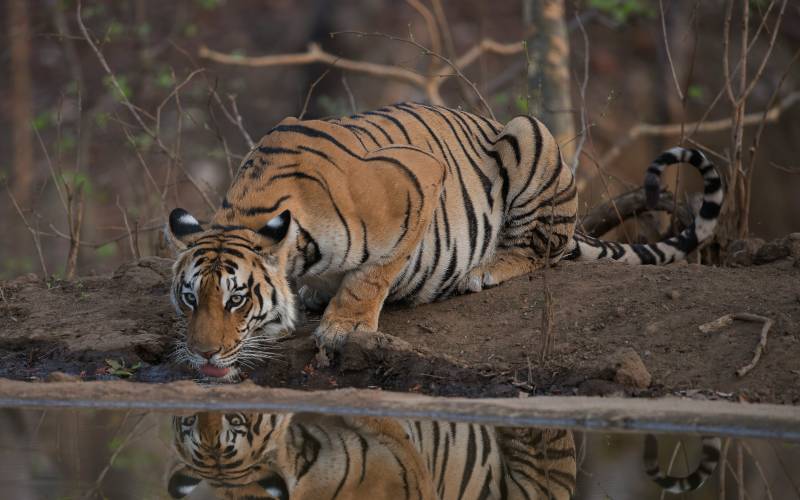
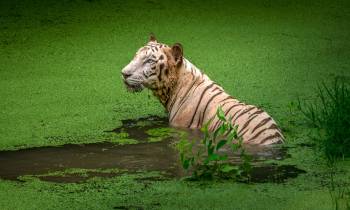
Pench National Park in Madhya Pradesh is an excellent choice for an intimate, high-end safari experience. Less frequented than parks such as Ranthambore, Pench offers a quieter, more exclusive setting, with forest landscapes that inspired The Jungle Book.
Wildlife highlight: Home to around fifty Bengal tigers, as well as leopards and Indian bison (gaur). Luxury accommodation: Treehouse lodges with floor-to-ceiling glass walls and private viewing decks. Best time to visit: October to June, with peak sightings between March and May.
5. How can I experience the sacred rituals of Varanasi?
One of the world’s oldest continuously inhabited cities, Varanasi offers a profound insight into living tradition. Experiencing the rituals from the river allows for a more reflective and comfortable perspective.
Dawn rituals: Observe purification bathing in the Ganges from a private sunrise boat. Ganga Aarti: A powerful evening ceremony of fire, music and chanting. Cultural note: Floating a diya, or oil lamp, on the river symbolises prayer and renewal.
6. Where can I find the best street food in India?
Chandni Chowk, in Old Delhi, is one of India’s most historic and energetic markets. Established in the 17th century, it remains the city’s culinary heart, renowned for traditional street food and vibrant daily life.
Culinary highlights: Seekh kebabs, paranthas and syrup-soaked jalebis. Shopping: Well known for quality textiles, freshly ground spices and artisanal jewellery. Getting around: A private rickshaw offers a comfortable way to explore the lively lanes.
7. What is the most romantic city in India?
Often referred to as the ‘Venice of the East’, Udaipur is set amid lakes and the Aravalli Hills, with elegant marble palaces lining the water’s edge. The city’s refined atmosphere and gentle pace make it ideal for romantic travel.
Key attractions: The City Palace, and the Lake Palace (Jag Niwas), one of the world’s most distinctive heritage hotels. The experience: Sunset boat cruises on Lake Pichola reveal the city at its most enchanting. Atmosphere: Graceful, serene and steeped in Rajput history.
8. Why is Ladakh known as the ‘Roof of the World’?
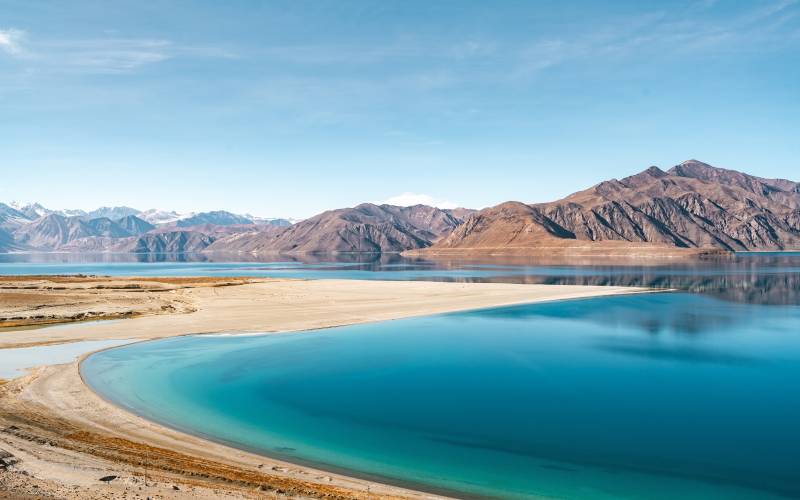
Sitting at an average altitude of more than 9,800 feet, Ladakh is a high-altitude desert defined by dramatic Himalayan scenery and a deeply rooted Buddhist culture.
Must-see: Pangong Tso, a striking lake famed for its ever-changing shades of blue. Unique feature: Minimal light pollution makes Ladakh one of the world’s finest destinations for stargazing. Adventure: Private motorcycle journeys or luxury glamping in the Nubra Valley.
9. When does the Pushkar Camel Fair take place?
Held each autumn, usually in November, during the Kartik Purnima full moon, the Pushkar Mela in Rajasthan is both the world’s largest camel fair and a vibrant cultural celebration.
Scale: Attracts more than 200,000 visitors and around 50,000 animals each year. Luxury perspective: Hot-air balloon rides offer sweeping views of the festivities while avoiding the busiest crowds.
Start planning a tailor-made trip to India
Travel in India is most rewarding when thoughtfully curated, balancing iconic sights with quieter, lesser-known experiences. With Hayes & Jarvis, each journey is designed around your interests, pace and travel style, bringing together meaningful places and moments across the country.
However you choose to explore, we’ll help you experience India in a way that feels entirely your own.
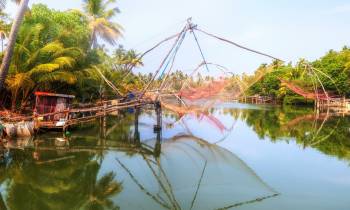
Take in the magnificence of the Mysore Palace. Stay amid the rolling hills and tea plantations of the Western Ghats. Or enjoy a leisurely cruise along sparkling lakes and backwaters. South India promises an eclectic mix of experiences.
Discover three firsthand travel stories from Argentina, South Africa, and Japan, and see how thoughtfully designed journeys turn inspiration into unforgettable experiences.
Since 1952, our travel experts have been traversing the world to connect you with the very best our 60+ destinations have to offer. Tell us what your dream trip entails and we will craft it for you with precision and passion.
Passionate Experts
Like you, we love to travel and explore. Over the years, we’ve honed our skills to create the most authentic travel experiences for you.
Personalised Journeys
We tailor each itinerary specifically for you. Tell us your travel dreams, and we’ll work together to create a perfect trip for you.
Safety & Reliability
We ensure a hassle-free and safe experience with reliable partners. You’ll also have a personal and dedicated trip coordinator, backed by 24/7 support in case of emergencies while you’re travelling.
Fully Protected
You and your holiday are in safe hands with us so you can book with confidence and travel worry-free.